Flores Pink Beach: The Shocking Truth Behind Its Color

🕐 7 min read | 🌍 Natural Wonders
🔒 Key Takeaways
- Flores Pink Beach gets its color from Foraminifera, microscopic marine organisms with red-pink shells that crush into sand
- Pink Beach or 'Pantai Merah' is one of only 7 truly pink sand beaches in the entire world
- The beach sits inside Komodo National Park, a UNESCO World Heritage Site covering 1,733 sq km
- Water visibility at Pink Beach can reach up to 30 meters, revealing one of Indonesia's richest coral reef ecosystems
Hidden along the rugged coastline of Flores Island in Eastern Indonesia lies a beach so impossibly pink it looks like a filter gone wrong — but Flores Pink Beach Indonesia is 100% real, and the science behind its blush-colored sand is even more astonishing than the view. What tiny creature is responsible for painting an entire shoreline rose-red? And why is this one of the most endangered beaches on the planet? The answers will change how you look at every grain of sand forever.
What Makes Flores Pink Beach Indonesia Pink?
The extraordinary rosy hue of Flores Pink Beach comes from tiny single-celled organisms called Foraminifera, specifically a species known as Homotrema rubrum. These microscopic marine creatures build bright red and pink calcium carbonate shells while alive, and when they die their shells fragment and wash ashore, blending with white coral sand to produce the iconic pink color you see today. The process takes thousands of years — each grain of pink sand represents countless generations of these ancient ocean organisms. The concentration of Foraminifera shells in the sand at Pantai Merah (the beach's Indonesian name, literally meaning 'Red Beach') is so high that the entire shoreline glows a warm salmon-rose, especially vivid at sunrise when golden light amplifies the red pigments. This is not an optical illusion or a mineral stain — it is a biological phenomenon unique to specific reef environments where Homotrema rubrum thrives in large colonies on the underside of coral. Scientists estimate that the pink color is most intense when Foraminifera fragments make up at least 30% of the total sand composition. The result is one of nature's most accidental and breathtaking artworks.

Where Is Pink Beach Located in Indonesia?
Flores Pink Beach, locally called Pantai Merah, is located on the southern coast of Komodo Island within the Komodo National Park in East Nusa Tenggara province, Indonesia. The park lies between the islands of Sumbawa and Flores, roughly 500 km east of Bali, placing Pink Beach in one of the most biodiverse marine regions on Earth. Komodo National Park itself was declared a UNESCO World Heritage Site in 1991 and covers an area of approximately 1,733 square kilometers, combining terrestrial and marine ecosystems of extraordinary richness. The nearest major gateway is Labuan Bajo, a small port town on the western tip of Flores Island that has a domestic airport with connections to Bali and Jakarta. From Labuan Bajo, visitors reach Pink Beach by boat — a journey of roughly 2 to 4 hours depending on which operator and vessel you choose. The beach stretches approximately 150 meters along a sheltered cove framed by rugged volcanic hills draped in savannah grass, giving the landscape an almost otherworldly, prehistoric atmosphere. It is one of three pink-hued beaches within the Komodo National Park boundary, but Pantai Merah is by far the most vivid and most visited.

🤔 Did You Know?
The pink color of Flores Beach is literally made from the crushed skeletons of billions of microscopic sea creatures called Foraminifera — you are walking on a graveyard of ancient ocean life.
The Coral Reef Ecosystem Beneath the Surface
Beneath the surface of Flores Pink Beach lies an underwater universe that marine biologists rank among the most biodiverse in the Indo-Pacific region. The reefs surrounding Pink Beach host over 1,000 species of fish, more than 260 species of reef-building coral, and endangered megafauna including manta rays, green sea turtles, and pygmy seahorses no bigger than a human thumbnail. Water visibility regularly exceeds 20 to 30 meters thanks to powerful oceanic currents that flush the area with nutrient-rich, clear water from the deep Flores Sea. These same currents create the ideal cold, dark, oxygen-rich conditions that Homotrema rubrum Foraminifera need to thrive — making the reef directly responsible for the beach's color in a beautiful ecological loop. Snorkelers venturing just 10 meters from shore can find themselves surrounded by schools of fusiliers, bumphead parrotfish, and Napoleon wrasse, all moving through cathedral-like formations of staghorn and brain coral. The park's unique position where the Indian Ocean and Pacific Ocean currents converge creates a thermocline effect, meaning temperature and nutrient levels shift dramatically within a single dive, supporting an almost impossible range of species. Komodo National Park's waters are so biodiverse that Conservation International has designated the Coral Triangle — of which this region is a core part — as the 'Amazon of the Seas.'

Wildlife You'll Encounter at Pink Beach Komodo
Flores Pink Beach is not only a feast for the eyes above water — the surrounding Komodo Island is the natural habitat of the Komodo dragon (Varanus komodoensis), the world's largest living lizard, which can reach 3 meters in length and weigh up to 70 kilograms. These ancient reptiles have roamed this island archipelago for four million years and are so rare they exist only within the Komodo National Park ecosystem. Visitors walking the trails near Pink Beach are accompanied by certified park rangers, as Komodo dragons are wild and potentially dangerous, capable of delivering a septic bite laced with venom and over 50 strains of bacteria. In the waters offshore, giant manta rays with wingspans of up to 7 meters cruise the current lines, and dugongs — gentle sea-cow relatives of the manatee — graze on seagrass beds in the shallower lagoons nearby. The skies above the cove fill with white-bellied sea eagles hunting for fish at dawn, while sulfur-crested cockatoos screech from the dry savannah hillsides above the beach. The combination of prehistoric land predators, megafauna-rich seas, and blazing pink sand creates a sensory experience that feels more like a David Attenborough documentary than a beach holiday. Pink Beach is truly one of the last places on Earth where ancient nature still operates completely on its own terms.

How to Visit Flores Pink Beach Indonesia
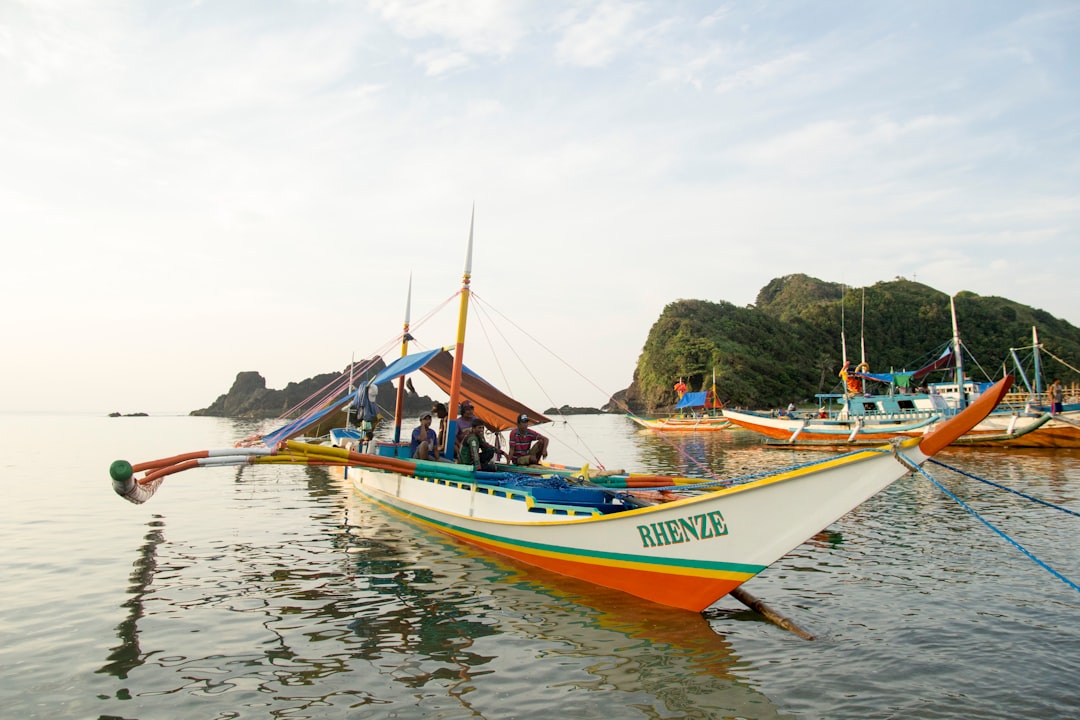
Reaching Flores Pink Beach requires a multi-step journey that is very much part of its wild, off-the-beaten-path appeal. Most travelers fly into Labuan Bajo from Bali (1.5 hours) or Jakarta (2.5 hours), with airlines including Garuda Indonesia, Lion Air, and Wings Air operating regular domestic routes. From Labuan Bajo harbor, visitors join day-trip boat tours or multi-day liveaboard cruises that loop through the Komodo archipelago, with Pink Beach as a highlight stop. Day-trip boats typically take 2 to 3 hours to reach Pink Beach one way, while faster speedboats can reduce this to around 90 minutes. Entry to Komodo National Park requires a valid permit — fees were restructured in 2022 and currently include a conservation levy designed to fund wildlife protection, so always purchase through official channels or licensed operators. Snorkeling equipment is available for rent on most boats, but serious divers should bring their own gear or arrange rentals through reputable dive shops in Labuan Bajo, as equipment quality varies wildly. The beach has very limited facilities — no restaurants, no permanent shops, just a few temporary warungs (food stalls) operated by local vendors — so pack your own fresh water, sunscreen (reef-safe only), and food for the day.
Is Pink Beach Indonesia Under Threat?
Despite its remote location, Flores Pink Beach faces serious and accelerating environmental threats that have alarmed marine conservationists in recent years. The biggest danger is coral bleaching driven by rising ocean temperatures linked to climate change — when the coral dies, the Foraminifera colonies that produce the pink sand lose their habitat, and the beach color begins to fade toward ordinary white. A 2016 mass bleaching event in the Coral Triangle damaged an estimated 22% of coral cover around the Komodo archipelago in a single season. Uncontrolled tourism poses a second major threat: in 2019, Indonesian authorities briefly considered closing Pink Beach entirely after visitor numbers overwhelmed the ecosystem, following the model of Thailand's Maya Bay closure. Irresponsible snorkeling and boat anchoring directly damage the fragile reef structure, while physical foot traffic on the sand and shallow reef compresses and crushes the very Foraminifera shells that give the beach its color. Plastic pollution from fishing vessels and tourist boats also accumulates on the pink shoreline, a jarring visual contrast to one of Earth's most pristine natural canvases. Several NGOs including WWF Indonesia and the Coral Triangle Initiative are working with local government to enforce strict visitor caps, mandatory ranger supervision, and boat mooring buoy systems to reduce anchor damage — but the fight to preserve this pink wonder is ongoing.

Final Thoughts
Flores Pink Beach Indonesia is living proof that Earth still holds miracles made not by human hands but by the quiet, patient work of microscopic creatures and ancient ecological systems working in concert across millennia. Every pink grain of sand tells the story of a living reef, a microscopic skeleton, and an ocean under pressure — which means visiting responsibly isn't just polite, it's urgent. Come curious, leave nothing but footprints, and tell the world what you found: because awareness is the first step in saving one of the planet's seven pink-sand wonders before it fades to white forever.
🌍 Explore More Earth Wonders
Frequently Asked Questions
Why is Pink Beach in Flores pink?
The pink color comes from Foraminifera, specifically Homotrema rubrum — tiny marine organisms with bright red-pink calcium carbonate shells. When they die, their crushed shells mix with white coral sand to create the distinctive rosy hue.
How do I get to Pink Beach Komodo from Bali?
Fly from Bali to Labuan Bajo (approximately 1.5 hours), then take a boat tour or liveaboard cruise from Labuan Bajo harbor to Pink Beach, which takes 1.5 to 3 hours depending on vessel speed. Day trips and multi-day packages are available from numerous licensed operators.
Is Pink Beach safe to swim and snorkel?
Yes, Pink Beach is generally safe for swimming and snorkeling, with calm waters inside the cove and spectacular reef just meters from shore. However, strong currents can develop outside the bay, so always heed ranger and boat captain warnings and stay within designated swimming zones.
📚 Further Reading & Research Sources
The following journals and institutions publish peer-reviewed research on the topics covered in this article:
🎉 Did this blow your mind?
Share it with someone who loves Earth’s wonders! What natural phenomenon do you want us to cover next? Leave a comment below.
Komodo National Park Authority / Indonesia Tourism Board


Comments
Post a Comment